What the Mug Press does in a small shop
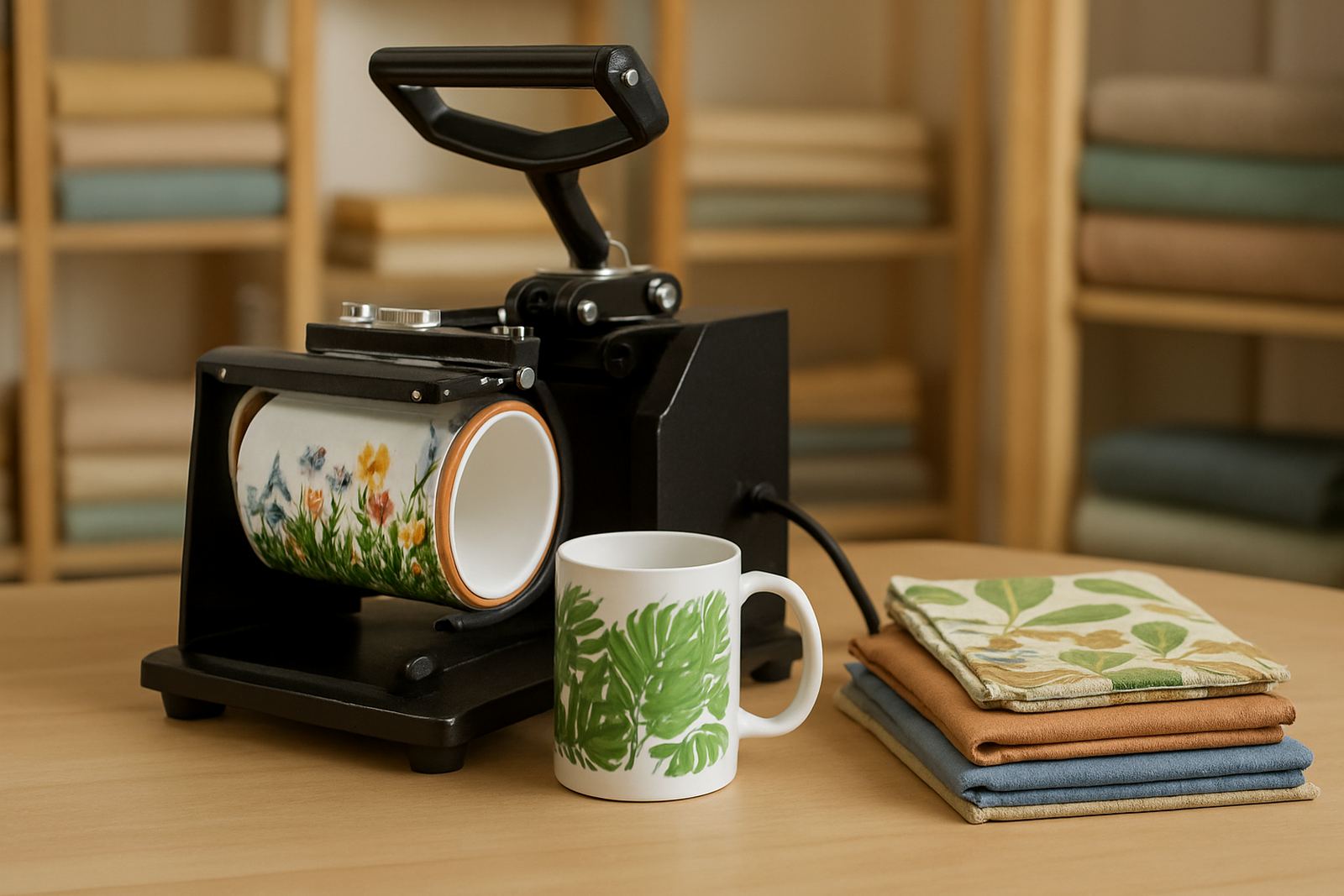
A mug press uses controlled heat and pressure to transfer a printed design onto a coated ceramic mug. For a textile business, that means you can offer a fuller gift and promo range alongside garments, caps and bags without adding a large machine footprint. It is handy for small orders, quick turnarounds and same-day collections when the artwork is ready.
Most mug presses in this class use a wrap-around heating element that covers the curved body of the mug. You set the time, temperature and pressure, then let the press do the work. For busy shops in Wadeville, Germiston, Johannesburg or Pretoria, it is a straightforward way to add value, especially when customers want one-off samples or limited runs.
- Suitable for coated ceramic mugs used in sublimation work
- Good for logos, names, photos and short promotional runs
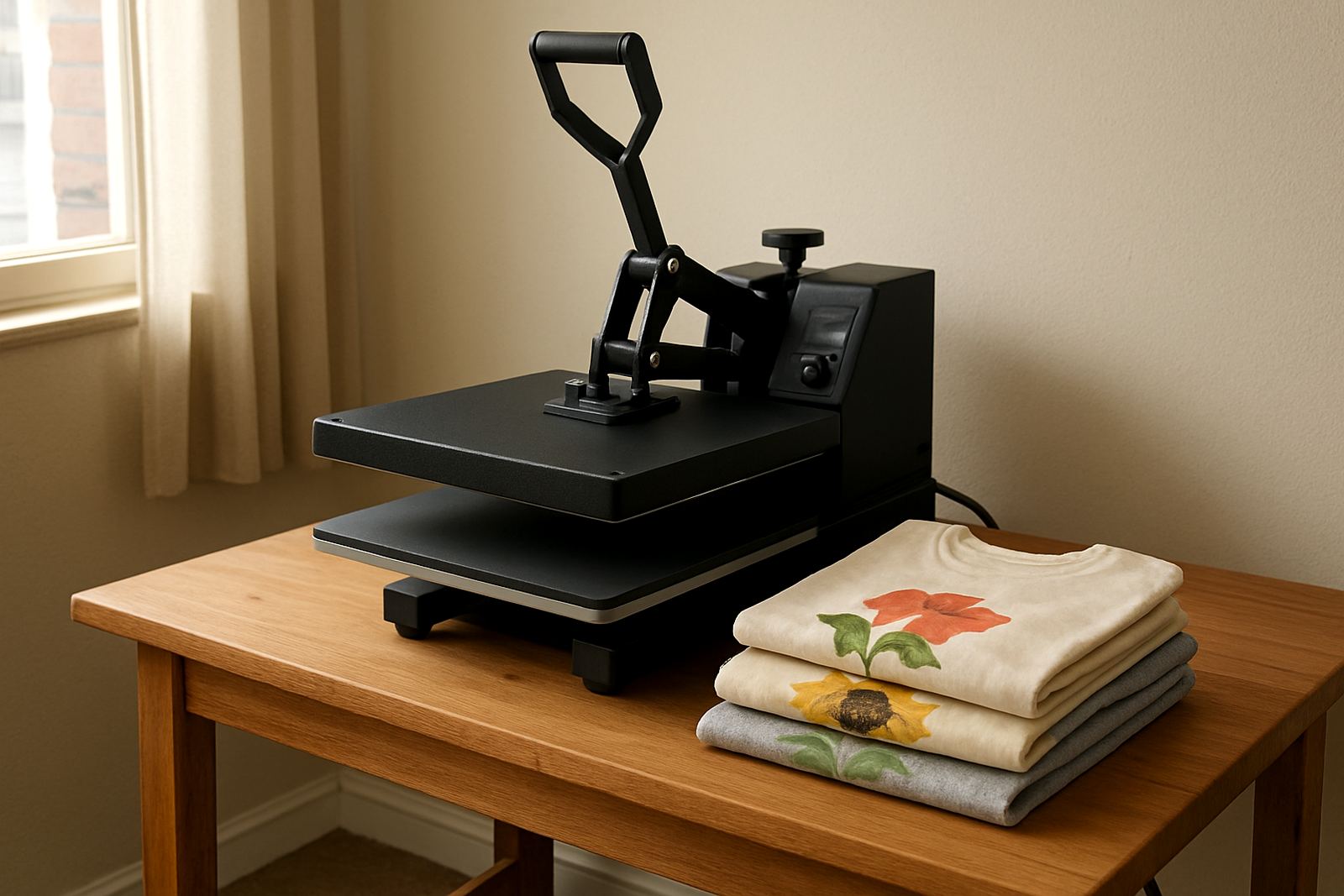
- Works well as a companion unit to a heat press or fabric printer
- Compact enough for a back room or small production area
Sizes, styles and working range
Single-cup mug presses are the most common choice for smaller businesses. They handle standard straight-sided mugs in the 11 oz size, which is about 325 ml. Some setups also support 9 oz, 12 oz and larger drinkware if the heater element matches the mug shape. If you want to cover a wider client base, ask for the exact mug diameter and height range before ordering.
Typical working temperatures sit around 180 to 200 degrees Celsius, with press times from 120 to 180 seconds depending on the mug coating, transfer paper and ink system. The unit should have a digital controller for temperature and time, plus a pressure adjustment knob so you can match the mug surface properly. Too little pressure leaves patchy colour, while too much can mark the print or stress the mug, so setup matters.
- Common mug size: 11 oz or about 325 ml
- Typical temperature range: 180 to 200 degrees Celsius
- Typical press time: 2 to 3 minutes
- Digital time and temperature controls are preferred
Where it suits and what it can add to your range
This press suits embroidery studios, garment shops, print rooms and schoolwear suppliers that want to offer extra items with minimal risk. It is also useful for market sellers and home-based businesses that need a compact unit with low startup cost. In places like Durban and Cape Town, where coastal humidity can affect storage, it helps to keep mugs, transfers and paper in a dry cupboard or sealed tub.
The best use case is a shop that already receives artwork requests for shirts, aprons or corporate gifts. You can keep the production line moving by printing garment orders and mug orders in the same space. It is also a good upsell when a customer orders staff shirts or event wear and wants matching drinkware for a launch, training day or gift pack.
- Corporate gifting and event merchandise
- School fundraising and team merchandise
- Retail add-ons for boutiques and print shops
- Short-run personalised items and sample work
Installation, power and workspace checks
A mug press is usually simple to install, but it still needs the right electrical supply and a stable working surface. Most units run from standard 220V single-phase power and draw modest current, so they can usually be used on a normal workshop circuit. Even so, in areas affected by load-shedding, it is sensible to plan for proper shutdowns and allow the heater to cool before cutting power. A small surge protector is a sensible extra.
Place the press on a solid table with enough room around it for safe loading and unloading. You do not need compressed air or gas. What you do need is a clean, level area, heat-safe gloves if your team prefers them, and a routine for keeping mugs dry and dust-free before pressing. Our team can help with machine installation, operator training and setup checks for shops in Johannesburg, Pretoria, Boksburg, Midrand and beyond.
- Power: standard 220V single-phase supply
- Gas: not required
- Needs: level table, dry storage and safe cooling space
- Best practice: use a surge protector where possible
Care, cleaning and servicing habits that keep output steady
Like any heat machine, a mug press lasts longer when it is cleaned and checked regularly. Wipe the heating element area once it has cooled, and keep ink, adhesive residue and paper dust away from the controls. Check the pressure arm for smooth movement and make sure the power cable is not being bent or pulled sharply. If the unit starts heating unevenly or takes longer to reach temperature, stop and have it inspected.
For shops producing several mugs a day, preventive servicing is worth the effort. It helps reduce rejected pieces and protects your turnaround times. If your operation moves premises or expands into a larger room, ask about relocation support so the machine is set up correctly again. A simple annual service schedule can save time and money, especially when orders pick up before year-end or matric season.
- Allow the press to cool before cleaning
- Keep the heater surface free of residue
- Watch for uneven heating or pressure changes
- Book preventive servicing before peak trading periods
What to check before you order
Before placing an order, confirm what mugs you want to press, how many you plan to make per day and whether the rest of your workshop already handles sublimation or transfer work. That will help match the press size to your production. If you are mostly doing gifts and samples, a single mug press may be enough. If you expect regular promotional orders, it may be worth planning for a second unit or a broader drinkware range later on.
Also check whether the machine comes with a full setup briefing, spare sleeve options and guidance on correct pressure settings. Ask about printhead cleaning and ink system flushing support if your broader workflow includes direct-to-fabric work and you want all consumables and training aligned. A good supplier should be clear about the mug type, coating quality and practical daily use, not just the machine itself.
- Confirm mug size and coating compatibility
- Check power needs and workshop space
- Ask what training is included
- Find out about spare parts and servicing support
Key facts
| Machine type | Electric mug heat press for coated ceramic mugs |
|---|---|
| Typical mug size | 11 oz standard, with other sizes subject to heater element |
| Power supply | 220V single-phase |
| Temperature range | About 180 to 200 degrees Celsius |
| Press time | About 120 to 180 seconds |
| Use case | Short-run promotional mugs, samples and personalised gifts |