What a Swing Away Heat Press Does
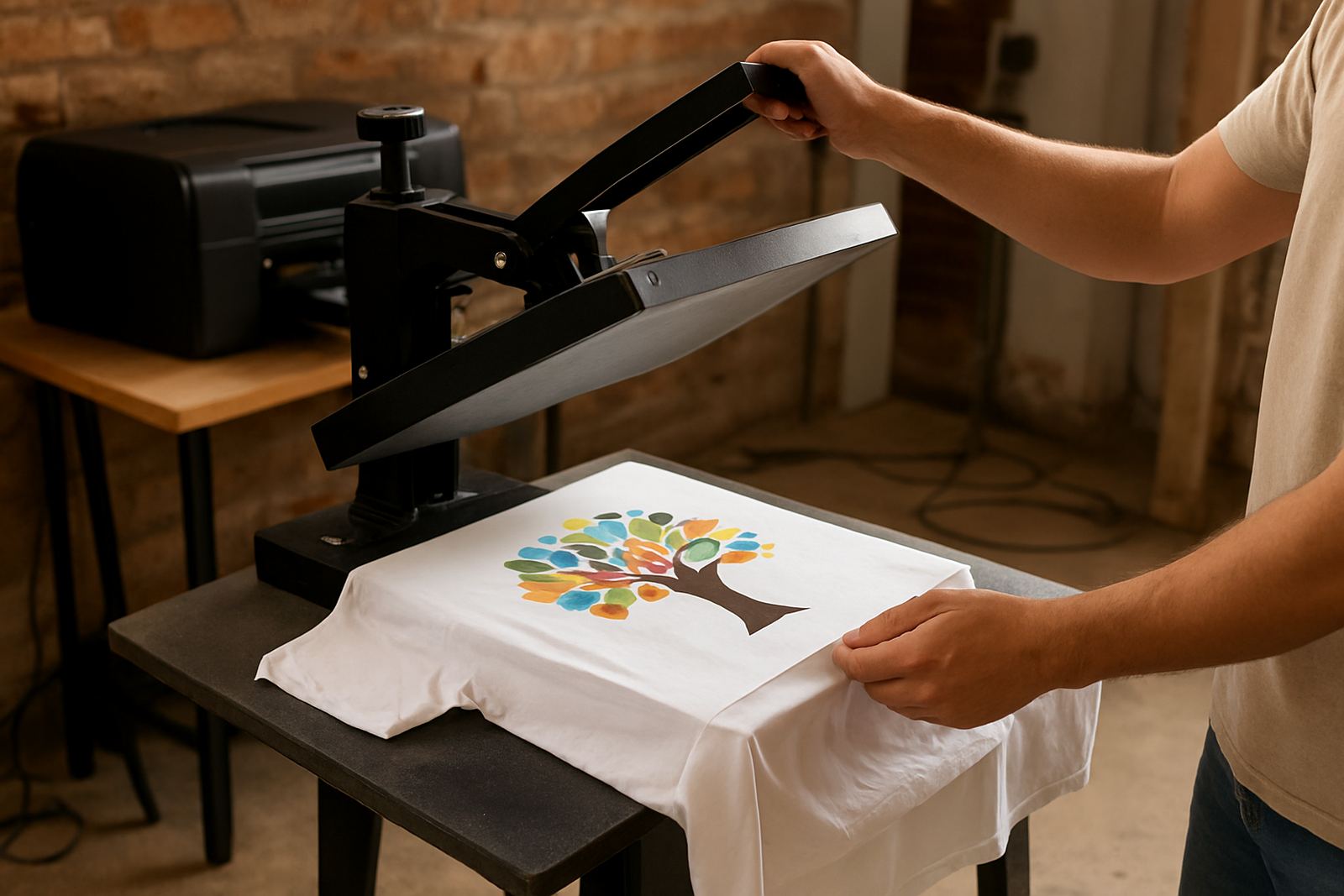
A swing away press is built with the upper platen that swings clear to one side, rather than lifting straight up over the lower bed. That gives the operator more room to place the garment, position prints and check alignment before the pressing cycle starts. It is a practical choice for shops doing heat transfers on T shirts, tote bags, workwear, panels and pre cut pieces where exact placement matters.
Because the heated plate moves away from the work area, there is less risk of a hand brushing a hot surface while setting up. It also makes it easier to work with thicker items such as hoodies, jackets and light promotional items. For small businesses in Johannesburg, Pretoria, Durban, Cape Town and Bloemfontein, that extra access can save time on every run.
Sizes and Working Options
Most swing away presses are supplied in a few common platen sizes, depending on the type of work you do and the space on your production table. A smaller press is handy for compact work areas and short runs, while a larger bed gives better coverage for full front prints and bigger panels.
- 38 x 38 cm for labels, chest prints and smaller garments
- 40 x 50 cm for mixed garment work and more flexible layout
- 40 x 60 cm for larger prints, panels and longer placements
- Flat heat platen for transfers, sublimation blanks and most textile work
- Adjustable pressure control for light, medium and firm applications
Some models include a pull out lower bed or a slide out base, which helps with thicker garments and reduces strain during repeat runs. If you are pressing near a wall or in a tighter room, check the swing direction and footprint before you order.
Where It Suits Best
This press suits small to medium garment businesses that need consistent results without a complicated setup. It is well suited to custom clothing labels, start up print rooms, schoolwear suppliers, promotional garment decorators and small textile manufacturers who run daily batches. If you do a mix of cotton tees, polycotton uniforms and decorated panels, the swing away style gives you the space to position each item properly.
It also works well in inland workshops where the air is dry and dust control matters, as well as coastal areas like Durban and Cape Town where humidity can affect storage of transfers and media. For businesses doing production during load shedding, it is wise to plan around power availability and allow the press to warm up fully before starting a run.
- Garment decorators and print rooms
- Schoolwear and sportswear suppliers
- Workwear and uniform shops
- Custom boutique clothing businesses
- Small textile and sample production studios
Installation, Power and Workshop Setup
Installation is straightforward, but the press should still be set on a stable, heat resistant table with enough space for the swing arm and the operator. Leave clear access around the machine so the platen can move freely and so hot garments can be handled safely after pressing. A level surface matters because uneven benches can affect pressure consistency.
Most swing away heat presses run on standard single phase electricity and do not need gas. The usual requirements are a proper plug point, a dedicated circuit where possible and a reliable power supply that suits the heater draw of the machine. In workshops that experience outages, a surge protector and sensible start up routine are important. You should also keep the press away from damp floors, open windows with sea air and direct spray from wash areas.
During installation, check the swing clearance, thermostat function, timer settings and pressure adjustment before production starts. If you are setting up in Wadeville, Germiston or nearby industrial areas, plan the bench height so the operator can work comfortably during long shifts.
Care, Cleaning and Servicing
A heat press lasts longer when it is cleaned and checked regularly. Wipe the platen when it is cool, keep adhesive residue under control and inspect the silicone or heat pad for wear. If transfers are sticking, lifting or leaving marks, the issue may be temperature, pressure, time or a dirty surface rather than the press itself.
Simple servicing helps prevent downtime. Check the cables, hinges, handle movement and pressure mechanism, then confirm that the digital controller still holds stable readings. In a busy shop, a short weekly inspection can stop small faults from becoming a full breakdown. If the unit starts heating unevenly or the swing action becomes stiff, it should be looked at before the next production cycle.
- Keep the lower pad clean and dry
- Do not overload the press with items that are too thick
- Test temperature with your actual transfer settings
- Allow cool down time before packing or moving the machine
- Book preventative servicing if the unit is used every day
What to Check Before You Order
Before ordering a swing away press, confirm the exact platen size, the type of garments you will press and the amount of space you have on the bench. Ask whether you need a manual pressure system, a digital controller, a slide out base or an interchangeable lower platen. If your team works with different fabrics, it is also worth checking the temperature range and the consistency of the heat across the full surface.
It helps to know the following details so the right model can be supplied and set up properly.
- Typical garment types and print sizes
- Daily production volume and shift length
- Available table space and swing clearance
- Power supply type in the workshop
- Whether the press will be used for transfers, sublimation or mixed textile work
- Operator experience and training needs
If you are based in Johannesburg, Pretoria, Durban, Cape Town or Bloemfontein, support can be arranged through the relevant area. We also assist with installation, operator training, troubleshooting and follow up servicing so the press is ready for day to day use.
Key facts
| Type | Swing away flat heat press |
|---|---|
| Platen sizes | 38 x 38 cm, 40 x 50 cm, 40 x 60 cm |
| Power | Single phase electricity, standard workshop supply |
| Temperature range | Up to 220°C depending on model |
| Controls | Digital time and temperature control |
| Best use | T shirt transfers, panels, uniforms, tote bags and light textile work |