What the Reactive Print Printer is made to do
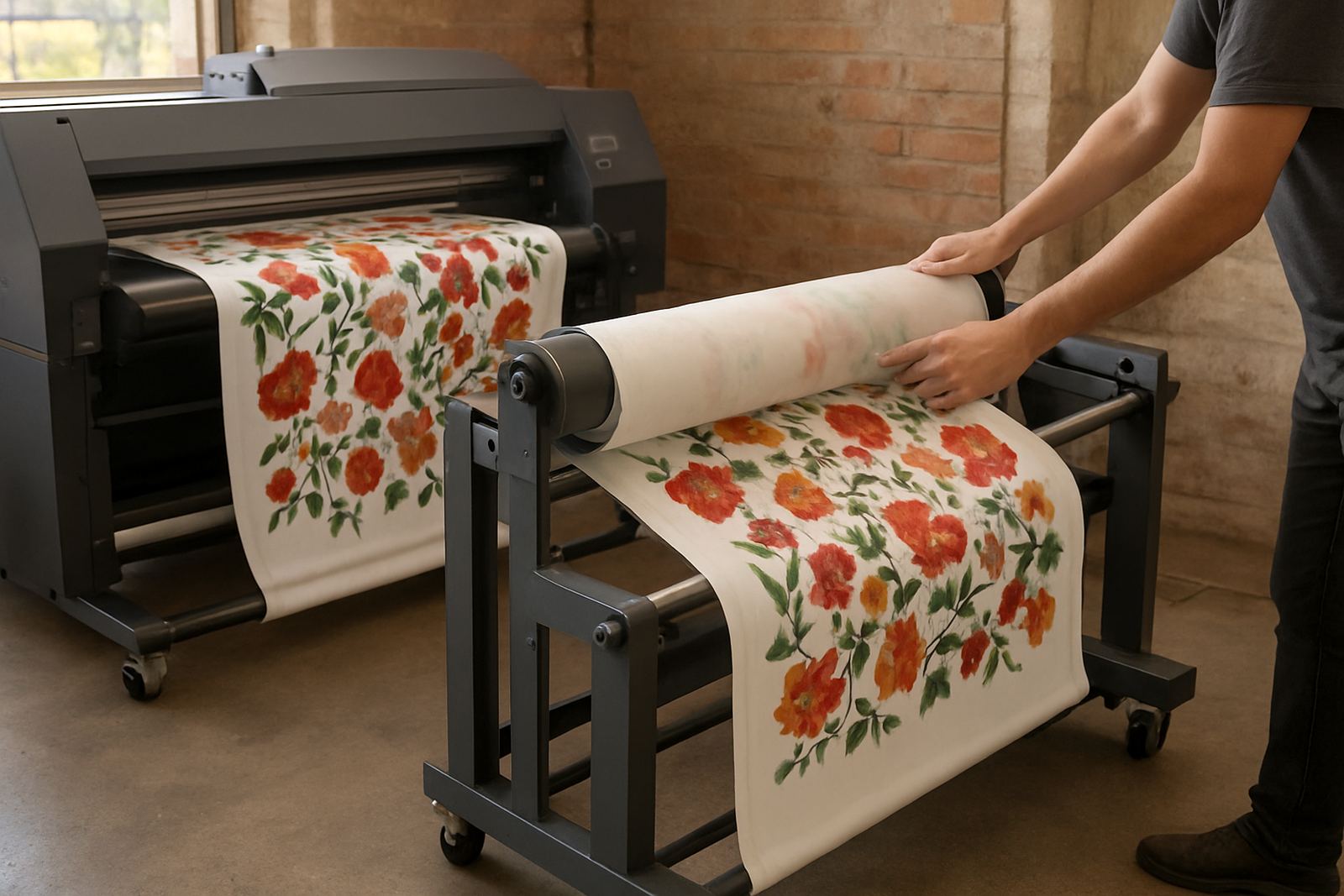
This machine is for direct-to-fabric work where the aim is clean colour, sharp edges and repeatable results on cotton, viscose blends and other suitable natural textiles. It is a practical choice for garments, scarves, home textiles and sample runs where colour control matters, not just speed.
The reactive process works well when you need deep shades and good wash fastness on the right fabric. In South African workshops that handle custom orders, schoolwear, boutique labels or short fashion runs, it gives you a proper in-house option instead of farming the job out.
It is best used by businesses that can prepare fabric properly, keep their pre-treatment and curing steps consistent, and want a machine that is easy enough for a trained operator to run day to day. With the right setup, the print quality stays dependable from one order to the next.
Sizes, print width and setup options
The Reactive Print Printer is available in workshop-friendly widths for smaller production spaces. The most common configurations suit short-run garment work and fabric sample production, with options that balance footprint, speed and media handling.
- Print widths commonly suited to 1.6 m to 1.8 m fabric handling
- Roll-fed operation for continuous textile work
- Single-operator or assisted loading depending on roll weight
- Suitable for bonded workshop floors and enclosed production rooms
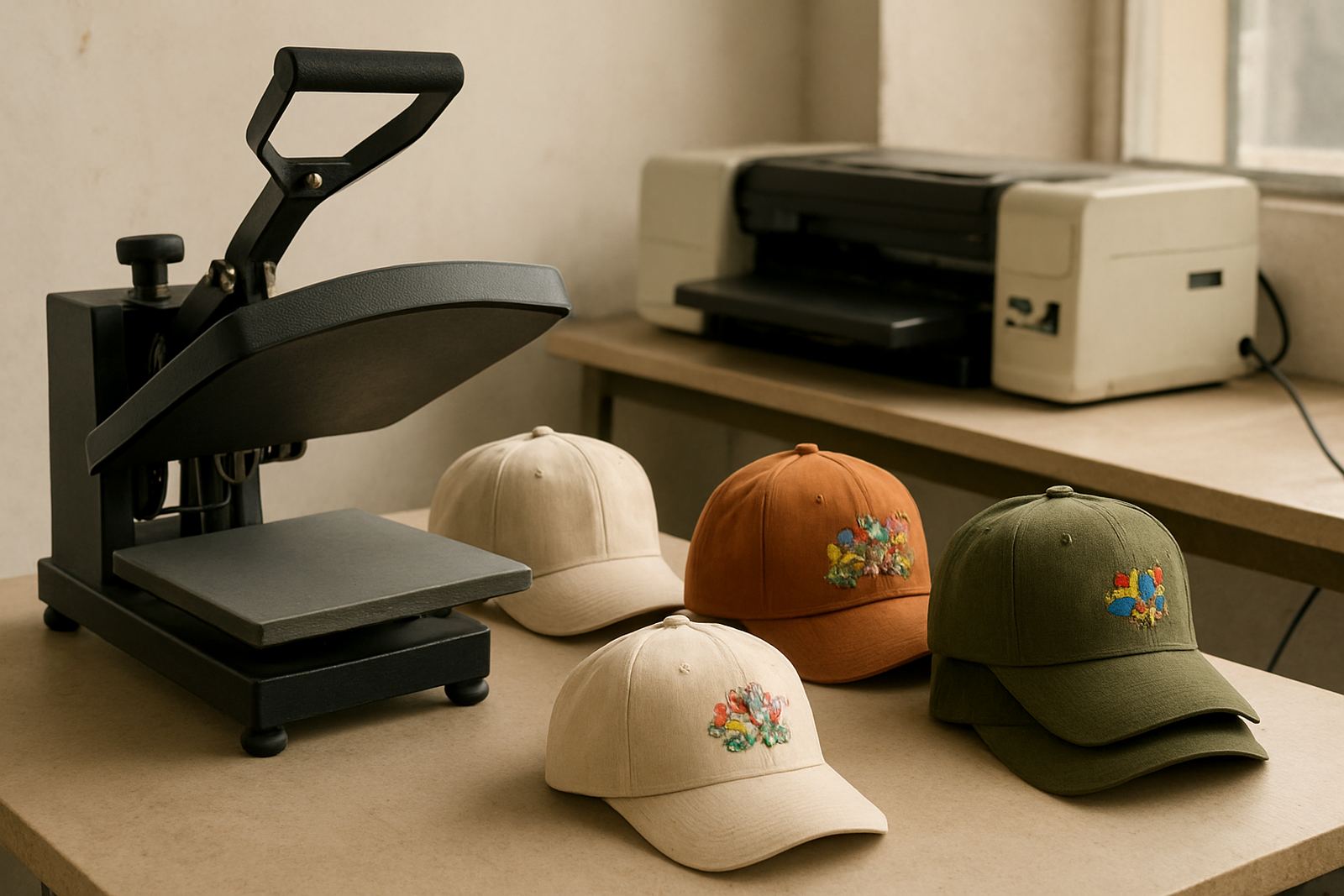
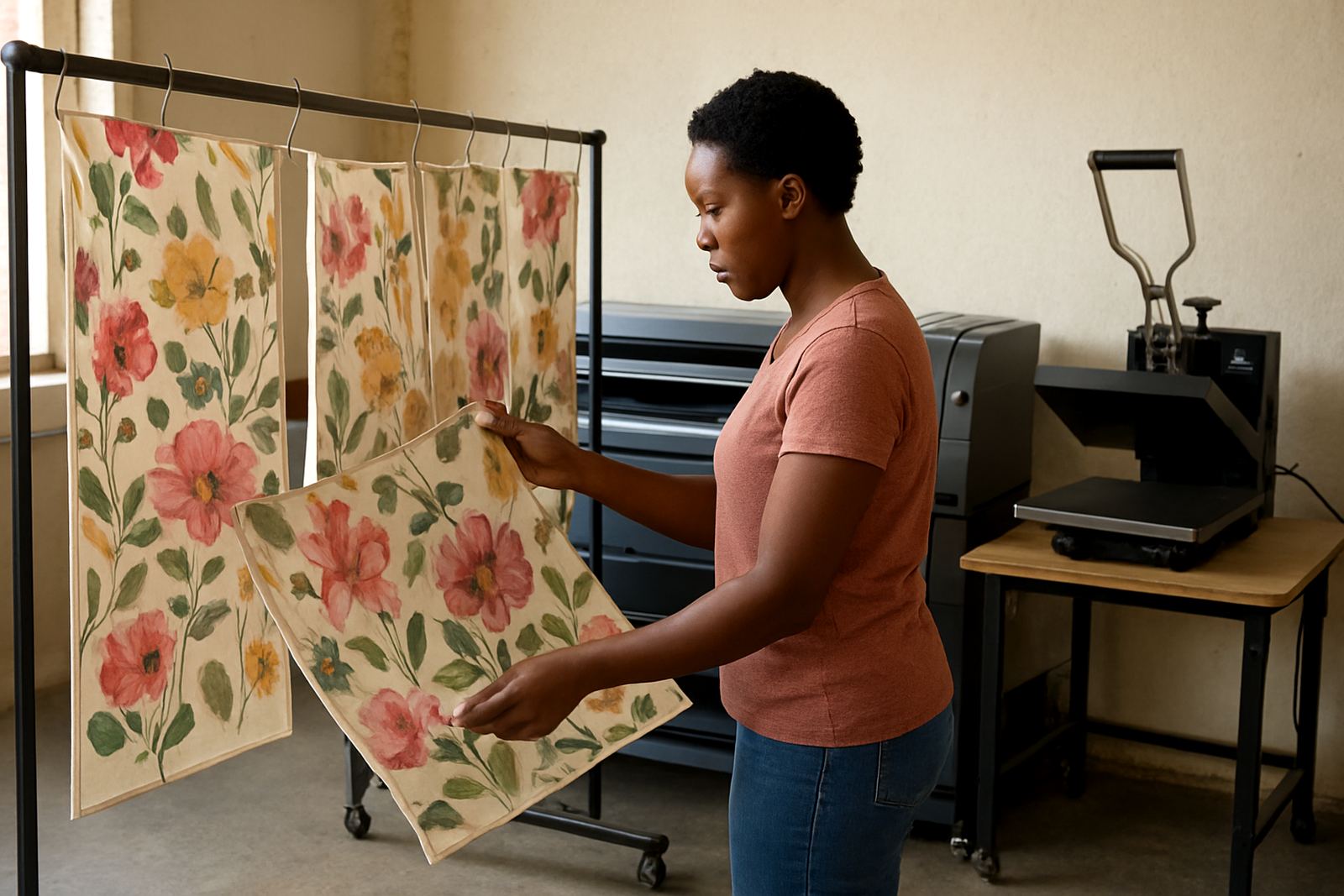
- Can be paired with a heat press or curing workflow as needed
If your space in Wadeville, Boksburg or Midrand is tight, measure the full working area and not only the machine footprint. You need room for loading, fabric take-up, inspection and safe walkways. A narrow bay can still work if the rolls are managed properly and the floor stays level.
Where this printer suits best
This printer suits businesses that want local control over colour and turnaround. It is a strong fit for textile shops, small garment labels, uniform suppliers, print studios and entrepreneurs building a custom fabric line from scratch. If your customers ask for short runs, colour matching or frequent design changes, this machine helps you respond faster.
It also works well for businesses that need to print in batches that are too small for factory outsourcing. That is often the case with boutique fashion, event textile products, craft markets and limited seasonal ranges. In a city like Johannesburg where rush orders are common, being able to print on site can save both time and transport cost.
- Custom garment labels and boutique clothing
- Printed scarves, wraps and accessories
- Decor fabric for cushions and soft furnishings
- Sample swatches and colour approvals
- Short production runs for retailers and designers
Installation, power and room conditions
Installation is normally handled on site by a trained technician, with the machine levelled, tested and set up for the fabric and ink system you plan to use. We also go through start-up checks, print head alignment and the first production run so the team knows what to expect. For businesses in Pretoria, Durban or Cape Town, remote guidance can be used to plan the space before delivery if needed.
The printer runs on standard workshop power, usually 220V single phase, and should be connected to a stable circuit with proper surge protection. No gas supply is needed. Like most textile equipment, it works best in a clean room with controlled dust levels, decent ventilation and steady temperature. If your area struggles with load-shedding, plan for backup power and a safe shutdown routine so ink and electronics are protected.
In coastal areas such as Durban or Cape Town, humidity control matters. Too much moisture can affect drying and fabric behaviour, while very dry air can change how the textile feeds. Keep the room organised and avoid placing the machine near open doors where dust and wind can enter.
Care, servicing and daily running habits
Reactive printing needs regular care if you want clean nozzles and predictable colour. Daily checks are simple but important: inspect the heads, confirm ink levels, test the feed path and make sure the fabric is clean before it goes in. If the machine stands unused for long periods, a proper maintenance routine becomes even more important.
Preventive servicing helps reduce stoppages and protects the print quality. That can include printhead cleaning, ink system flushing, colour profiling, spare parts planning and breakdown repairs when needed. For businesses with steady demand, a maintenance contract is often cheaper than dealing with avoidable downtime after a busy week.
- Wipe dust from the working area before each shift
- Use the correct ink and media for the fabric type
- Keep a log of nozzle tests and service dates
- Do not leave fabric rolls lying in damp storage
- Book servicing before the machine starts dropping quality
What to check before you place an order
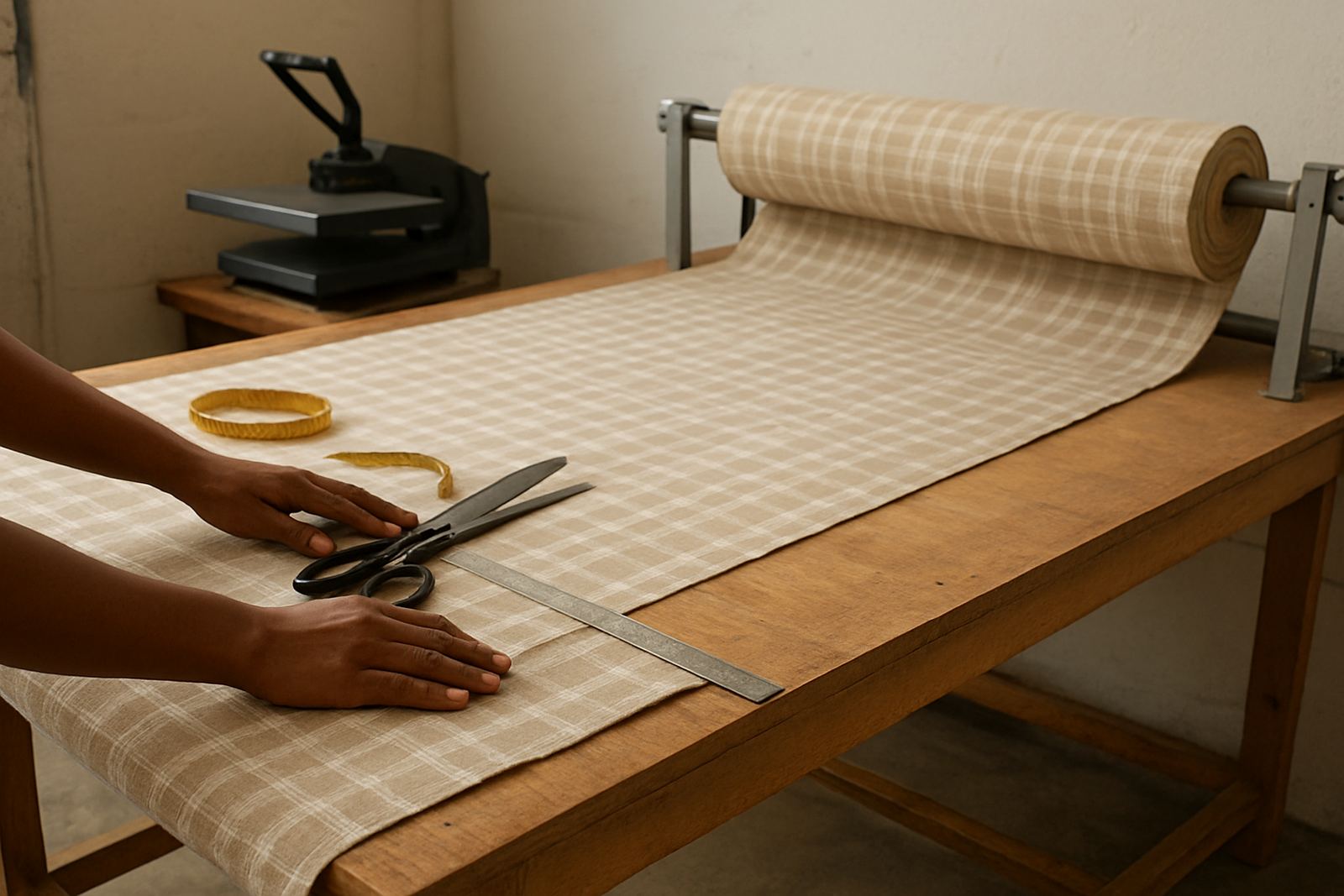
Before ordering, check the fabrics you plan to print, your monthly output and the finish your customers expect. A machine that suits cotton fashion labels may not be the best match for every textile product. Ask about colour targets, wash requirements and whether your current workflow includes pre-treatment or post-pressing.
You should also confirm the floor space, doorway width and access route for delivery into your premises. In some industrial areas around Germiston and Boksburg, access is easy, but a narrow stairwell or tight corner can still slow things down. If you expect regular production, it is worth planning for operator training, backup parts and a clear support path from the start. That saves time later and keeps the workshop moving.
- Fabric type and GSM you plan to print most often
- Required print width and daily output
- Power supply and backup plan for outages
- Space for loading, drying and inspection
- Need for training, servicing and spare parts
Key facts
| Print process | Direct-to-fabric reactive inkjet printing |
|---|---|
| Suitable textiles | Natural fabrics such as cotton, viscose and selected blends |
| Typical print width | About 1.6 m to 1.8 m options |
| Power requirement | 220V single phase, stable workshop supply |
| Installation needs | Level floor, clean room, ventilation and trained operator |
| Support options | Training, colour profiling, servicing and repairs |