What a dual roll printer does in day to day production
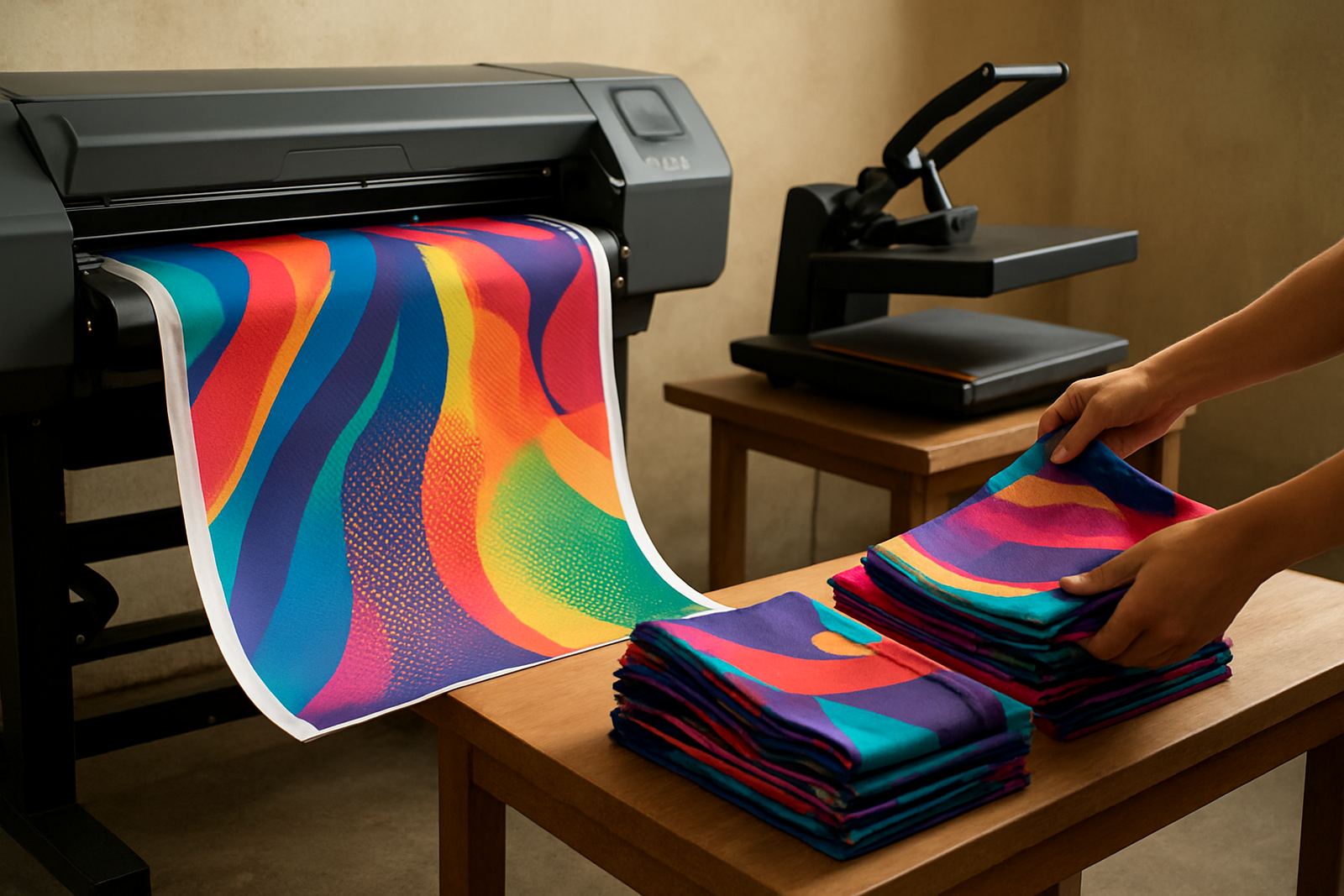
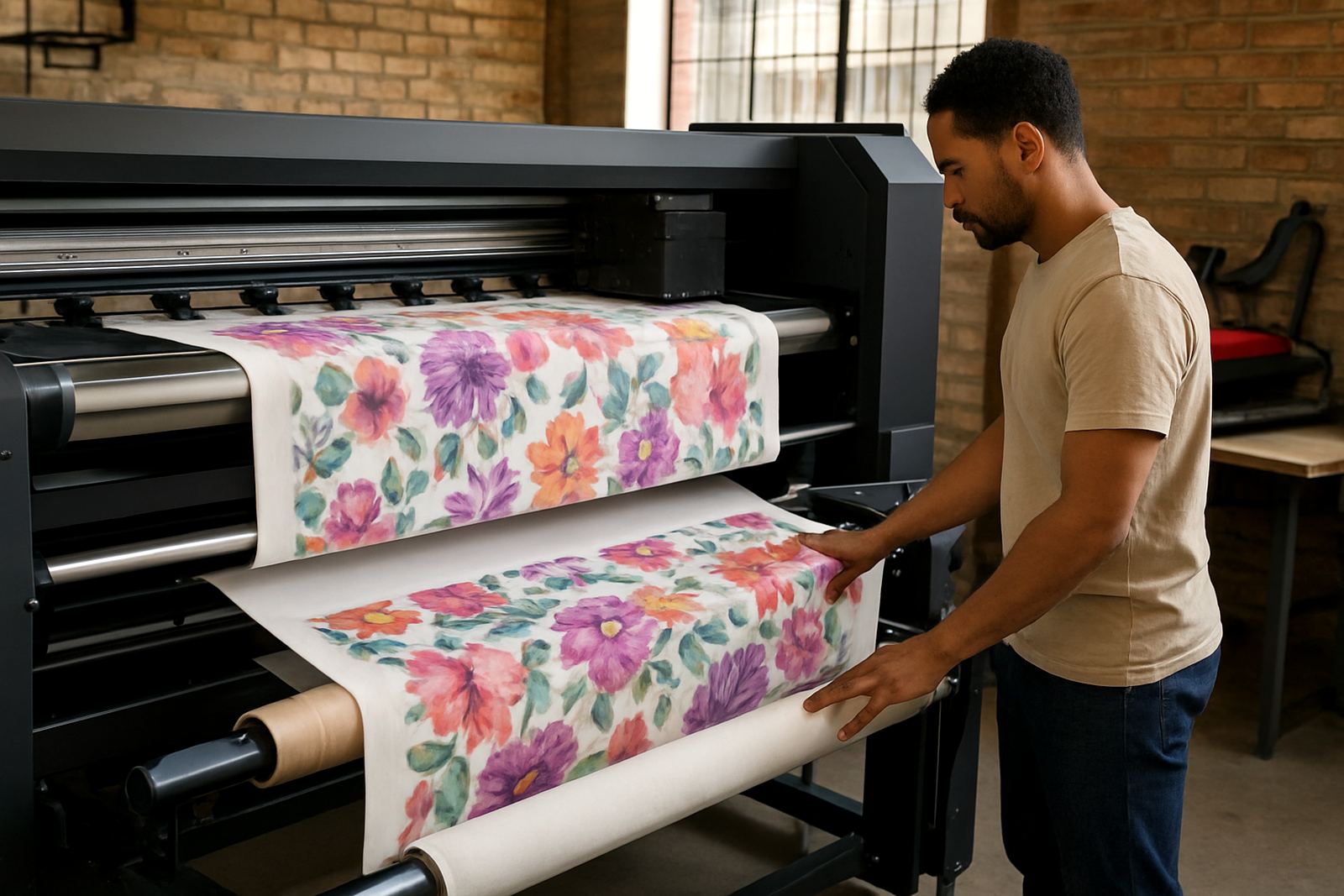
A dual roll printer is set up with two material paths so you can print on two rolls in one machine, usually side by side or in separate lanes depending on the configuration. For a small factory in Germiston, Johannesburg, or Boksburg, that means less waiting between jobs and better use of your operator’s time. It is especially useful when you are printing cotton, polycotton, polyester blends or treated fabric for garment panels, labels, fashion fabric and small home textile runs.
Because the machine is built for direct-to-fabric output, the print head lays ink straight onto the textile surface with controlled drop size and accurate pass alignment. That helps with colour consistency and detail on fine line work, repeats and logos. If your business handles mixed orders, the dual roll setup can make it easier to keep one roll on a short custom job while the second roll continues with a longer run.
The main advantage is not speed alone, but flow. Instead of stopping to reload after every job, you can plan production more sensibly and keep the machine earning through the day even if you are balancing sample work and regular orders.
Sizes, roll widths and setup choices
We supply dual roll printer options for smaller production spaces and growing workshops, with configuration depending on the fabric width, daily volume and the type of textile you print most often. In most cases, the machine is ordered with the print width, ink set and take-up arrangement matched to your production plan.
- Roll width options typically suit narrow to medium textile production, such as 1.2 m, 1.6 m or wider depending on the model selected.
- Dual feed or dual take-up layout can be arranged for parallel jobs or repeated production runs.
- Ink system options can be matched to the fabric type and colour range you need for fashion or décor work.
- Take-up and tension control should be chosen to suit light knits, woven fabric or heavier textile media.
If your factory is in Pretoria, Durban, Cape Town or Bloemfontein, the right size will also depend on how your goods move through the room. A tight production area may need a smaller footprint with easy front access, while a busier workroom may benefit from a wider unit with better access for loading and inspection. The goal is to avoid a machine that looks good on paper but is awkward once installed.
Where a dual roll printer suits best
This type of machine suits small garment factories, textile studios, boutique print shops and contract decorators that need consistent output without moving into a full industrial line too soon. It is a strong fit where orders come in batches, where the same design must be repeated, or where one operator needs to manage more than one production queue in a single shift.
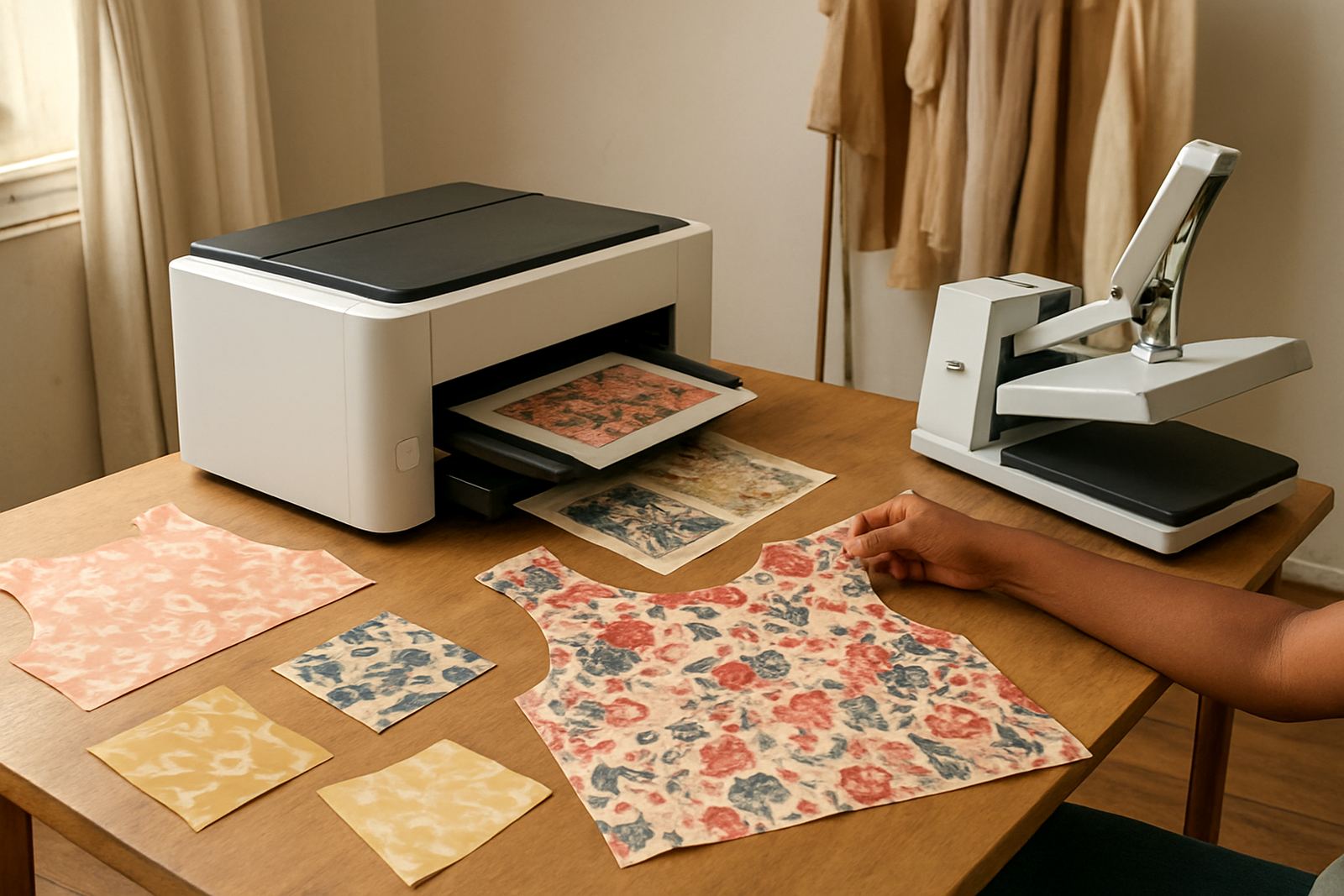
It also works well for businesses that do sampling before final production. For example, if one roll is used for proofing colours and layout while the second roll carries approved stock, your process becomes easier to manage and there is less chance of mixing up jobs. That matters when customers want fast turnarounds and tight repeat matching.
- Garment makers doing custom cuts, panels and seasonal ranges.
- Textile printers producing fashion fabric, soft signage or décor fabric.
- Small factories needing a better bridge between sampling and full production.
- Businesses that want to reduce idle time during loading, unloading and colour checks.
For coastal areas like Durban or Cape Town, a dual roll printer can also help you plan around humidity by keeping workflow moving and reducing the time fabric sits around between stages. That does not remove the need for proper storage, but it helps keep production on track when conditions change through the day.
Installation power and workshop requirements
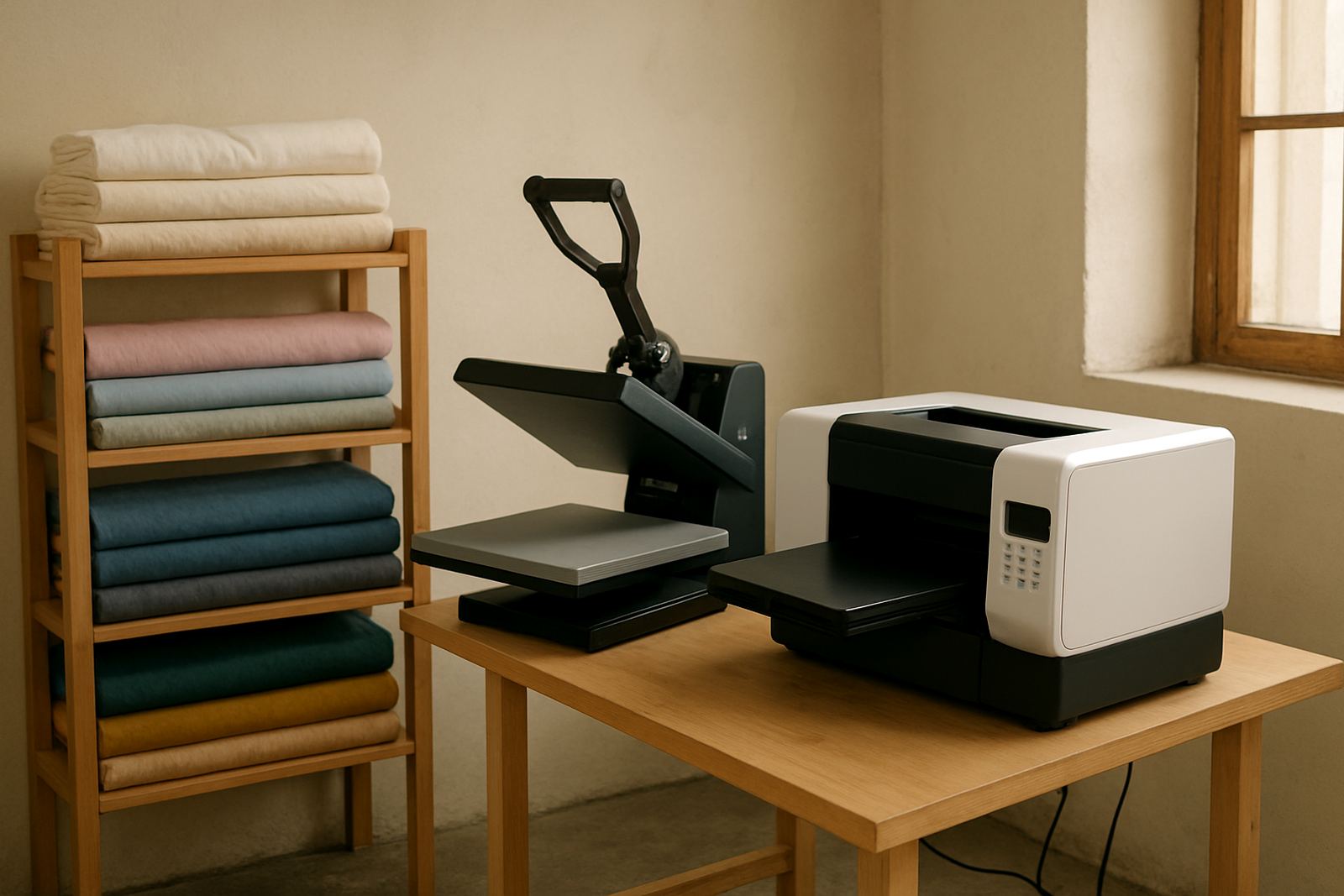
Installation should always start with a proper site check. We look at floor space, access routes, electrical supply, ventilation, humidity control and how the machine will sit beside your heat press or finishing area. In Wadeville, Germiston and across Johannesburg, workshop power quality can vary, so a stable electrical feed and the right protection are important before commissioning the printer.
Most systems need standard workshop power with clean, stable supply and enough capacity for the printer, curing or drying equipment and any heat press used in finishing. If your area has load-shedding, you should plan for backup power sized to your equipment draw. A printer that loses power mid-run can waste fabric and affect colour consistency, so this is not something to leave for later.
The installation process normally includes machine positioning, media path alignment, ink filling, nozzle checks, basic profiling and operator handover. If your business is relocating within Gauteng or into another province, we can also assist with relocation support so the unit is reinstalled correctly and not damaged in transit.
Care servicing and keeping print quality stable
Like any textile production equipment, a dual roll printer needs routine care if you want good output day after day. Daily checks should include nozzle condition, ink levels, fabric feed tension and cleaning around the platen and carriage path. Weekly and monthly servicing should cover deeper cleaning, printhead inspection and checks on the ink delivery system. A small maintenence gap can become an expensive breakdown if it is ignored for too long.
For small factories, preventive servicing is often cheaper than waiting for a failure. Dust, lint, humidity and power interruptions all affect textile machinery in South Africa, especially where fabric handling is constant. If a printhead starts to clog or the ink system draws air, quality can drop quickly and the whole production schedule suffers.
- Do not leave ink sitting unused for long periods without circulation or checks.
- Keep fabric clean, dry and covered where possible to reduce contamination.
- Flush the ink system when changing media or after a long shutdown.
- Book printhead cleaning and service visits before quality problems become visible to customers.
We support businesses in Germiston, Boksburg, Midrand and the wider Johannesburg area with breakdown repairs, remote troubleshooting, servicing and spare parts supply, so you are not stuck trying to guess the cause of a fault on your own.
What to check before you place an order
Before you order a dual roll printer, it helps to know exactly what you want the machine to do in your factory. The right choice depends on your fabric width, daily metres, the number of operators available and whether you need repeat production or varied short runs. It is also worth checking your power supply, workshop height and access for delivery and installation.
Ask yourself these practical questions before placing the order: what fabric types will you print most often, how wide are your standard rolls, do you need two identical runs or two different jobs, and will you also need colour profiling and operator training from day one? These details affect the final setup more than many buyers realise.
- Required print width and roll width.
- Daily production target in metres.
- Fabric types and surface preparation needs.
- Available floor space, power supply and backup power plan.
- Need for installation, training, profiling and follow-up servicing.
When the machine arrives, a proper handover should cover operation, cleaning, basic fault checks and how to keep output consistent across both rolls. That is where good setup makes a real difference, because the printer should fit your business, not the other way round.
Key facts
| Configuration | Two-roll direct-to-fabric printer for parallel production runs |
|---|---|
| Typical print widths | 1.2 m, 1.6 m and wider options depending on model |
| Material types | Cotton, polyester, polycotton and treated textile media |
| Power needs | Stable workshop power with capacity for printer and finishing equipment |
| Floor space | Compact-to-medium workshop footprint with front access for loading |
| Support | Installation, training, colour profiling, servicing and repairs |