Parts That Keep Production Running
When a garment or textile job is due and a machine stops, the part you need is usually a small one that makes a big difference. We supply common wear parts and critical replacements for supported equipment ranges, with parts chosen for print quality, feed accuracy and day to day reliability in South African workshops.
That includes components that take the most strain from ink, heat, movement and cleaning cycles. In Gauteng, coastal humidity in Durban, or dusty workshop spaces around Johannesburg and Pretoria, parts wear at different rates. We help you match the right replacement to the machine, usage level and maintenance record so you are not guessing with stock that must fit first time.
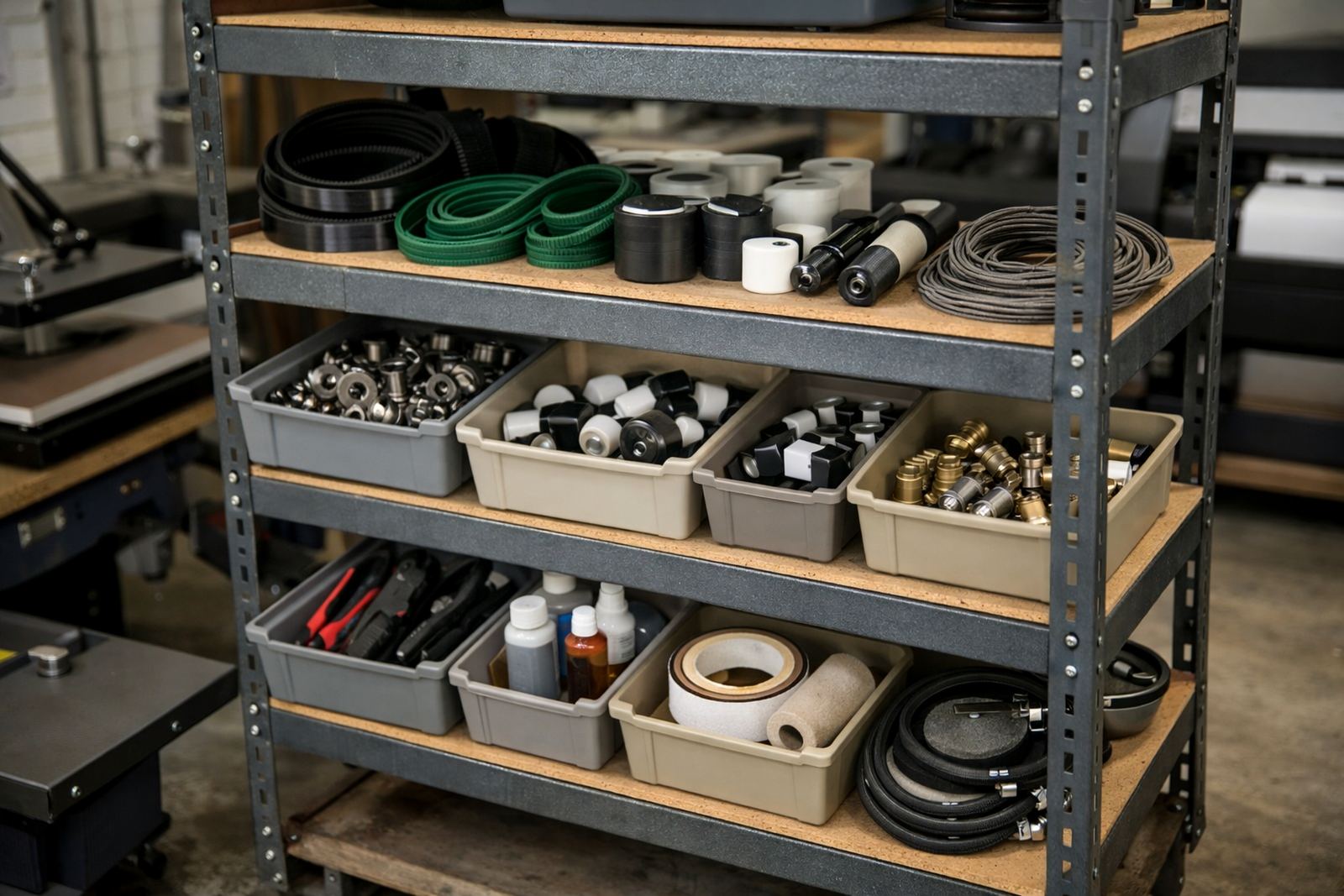
- Printhead related parts and fittings
- Ink delivery parts, tubing and connectors
- Carriage, feed and drive components
- Heat press consumables and service items
- Cleaning, flushing and maintenance parts
- Critical replacements for planned servicing
What We Supply For Supported Equipment
Our spare parts supply focuses on the parts most often needed by small garment and textile businesses using direct-to-fabric inkjet printers and heat presses. We do not treat every fault the same way. A machine that is printing banding after load-shedding, for example, may need a different part set from one that has been standing idle in a humid room.
We supply parts that support colour consistency, media movement and safe heat transfer. Where a machine needs a full strip down or a replacement assembly, we will advise on the exact item rather than sending a generic part that may not match the frame, voltage or width of your unit. That saves time and helps avoid repeat callouts.
- Wear parts for scheduled maintenance intervals
- Replacement items for print quality faults
- Heat press parts for platen, pressure and temperature control
- Seals, caps, wipers and cleaning related items
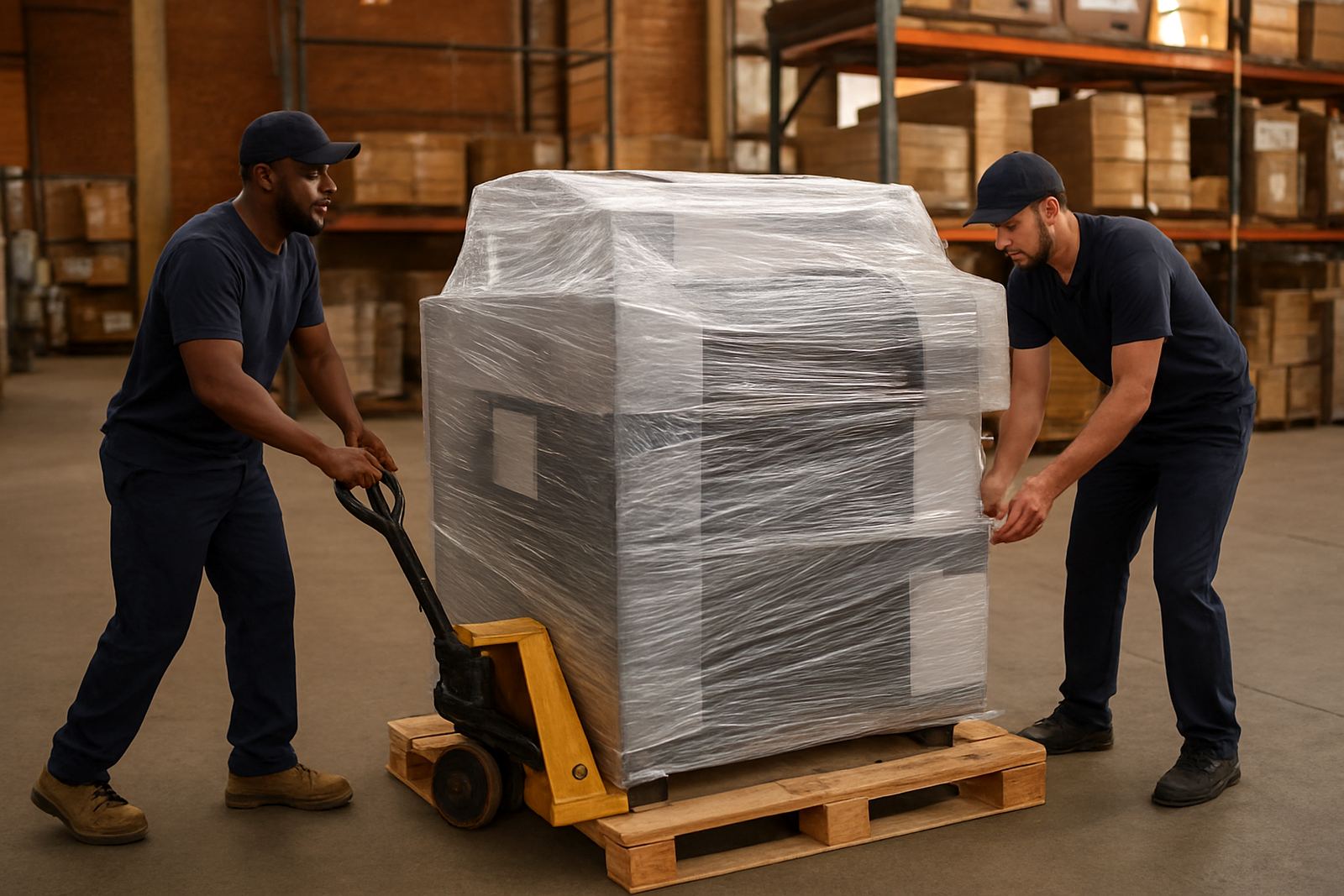
- Parts for transport, relocation and recommissioning
How The Supply Process Works
We keep the process practical and direct. You send us the machine details through the enquiry form, together with the fault description, part number if available, and clear photos where needed. If the equipment has been moved, stood unused, or recently lost power during load-shedding, tell us that as well because it changes what we check first.
From there we confirm compatibility, stock availability and the likely turnaround. For many common items, the part can be allocated quickly. For less common replacements, we check the exact spec before release so the part matches the supported unit. If fitment is needed, we can guide your technician or operator through the changeover and initial test.
- Submit machine model, serial details and fault notes
- We confirm compatibility and availability
- Quote is issued with lead time and delivery option
- Part is supplied and fitment guidance is provided
- Machine is tested and returned to production
Turnaround Times And Stock Planning
Turnaround depends on whether the part is stocked, imported on request, or fitted together with other service work. Common wear items can often be supplied faster than specialist assemblies, while critical replacements may need a short lead time. For clients in Germiston, Boksburg, Midrand and the wider Johannesburg area, collection and local dispatch can reduce downtime further.
For production sites in Durban, Cape Town, Pretoria and Bloemfontein, we plan around courier cut-off times and the urgency of the job. If a machine is still partially running, we may suggest a staged replacement list so you can keep the line going while waiting for the less urgent items. That approach helps when you are balancing stock cost with production deadlines.
When the machine is down completely, we treat the order as urgent and work from the fault symptoms, not only the part number. A worn tube, blocked filter, or damaged sensor can look like a bigger failure than it is, so proper diagnosis saves money and time.
Pricing, Quotes And Value Over Time
Pricing is based on the exact part, availability, quantity and whether any matching or calibration is needed after fitment. We quote clearly so you can see what is part supply, what is labour if installation is included, and what is courier or collection. There are no surprise add-ons hidden in the middle of the job.
We also help you plan around maintenance intervals instead of waiting for failure. A cheaper part fitted too late can cost more in wasted fabric, reprints and machine downtime. For small businesses working with tight margins, the best value is often the part that keeps the printer stable through a full production week, not the lowest sticker price. That is especially true when humidity, voltage changes or heavy daily use are part of the picture.
- Clear pricing based on part type and urgency
- Separate line items for supply and labour where applicable
- Advice on buying spares before peak season
- Support for planned servicing budgets
Maintenance Intervals That Reduce Spare Part Costs
Spare parts last longer when the machine is maintained on a proper schedule. We recommend checking wear items at regular intervals, especially in busy shops that print daily or work long shifts to meet orders. If the press is used often, or the printer sits in a warm room with dust and ink mist, parts can age quicker than expected.
As a guide, light users should inspect maintenance items monthly, while active production sites should check them weekly and replace consumables before they cause print defects. After every move, power interruption or blocked cleaning cycle, a quick inspection is worth it. On heat presses, platen condition, pressure alignment and temperature accuracy should be checked often enough to catch drift before garments are spoiled.
- Weekly checks for high-volume production sites
- Monthly checks for lighter use operations
- Immediate inspection after power loss or relocation
- Scheduled replacement before visible print faults appear
Why Small Businesses Order Parts Through Us
Small garment and textile businesses need parts that fit the machine and support the next job, not a guess. We understand the pressure of keeping orders moving in South African conditions where supply delays, load-shedding and workshop wear can all affect output. Our team helps you choose the right replacement, confirm the fit, and keep a record of what was replaced so future servicing is simpler.
You will also get practical advice on what to keep on hand. For some shops that means a short list of wear parts only. For busier print rooms it may include critical spares for the printer, heat press and cleaning system so a single failure does not stop production for days.
If you are in Germiston, Johannesburg, Pretoria, Durban, Cape Town or Bloemfontein and need a reliable parts supply plan, send your enquiry through the contact page and we will guide the next step.
Key facts
| Service focus | Common wear parts and critical replacements for supported direct-to-fabric printers and heat presses |
|---|---|
| Typical part types | Printhead related items, ink system parts, feed and drive components, heat press service parts |
| Turnaround | Stocked items are handled quickly, with lead times advised for special-order parts |
| Pricing approach | Quoted per part, with labour and courier shown separately where applicable |
| Maintenance checks | Weekly for high-volume sites, monthly for lighter use, after every relocation or power event |
| Coverage area | Germiston, Johannesburg, Pretoria, Durban, Cape Town and Bloemfontein, with courier supply nationwide |